Not Everything Belongs in the Bowl
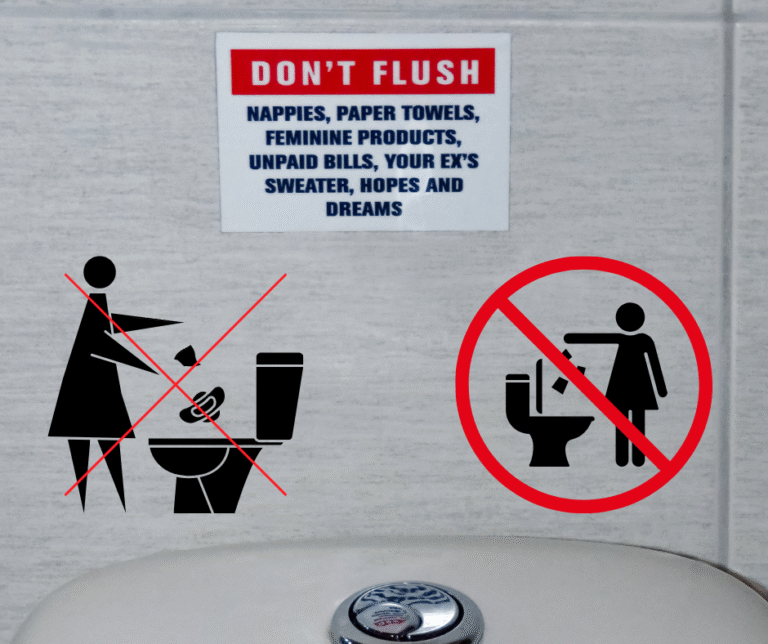
Things you should never flush might seem obvious—until you’re holding that cotton swab or flushable wipe wondering, “Eh… what’s the harm?”
Here’s the truth: What not to flush down the toilet in Twin Falls isn’t just about personal plumbing problems. It’s about protecting our shared sewer systems, water quality, and local environment.
Even seemingly small items can clog pipes, damage wastewater equipment, and lead to costly repairs—not just for you, but for the whole neighborhood.
In this quick guide, we’ll break down the top 3 worst offenders that many Twin Falls homeowners unknowingly flush… and explain why keeping them out of your pipes is the smart (and safe) choice.
Why Plumbing in Twin Falls Needs Extra TLC
Twin Falls sewer system maintenance tips aren’t just for city workers—they matter for every homeowner.
Here’s why: many homes in Twin Falls were built decades ago, with aging pipes that weren’t designed to handle modern waste habits. Add in hard water that builds up inside plumbing, clay-heavy soil that shifts with moisture, and long city sewer lines—and you’ve got a recipe for clogs and backups.
Older neighborhoods often face:
• Cracked or corroded sewer pipes
• Tree root intrusion in lateral lines
• Reduced flow due to buildup from hard water minerals
And when residents flush things they shouldn’t—like wipes, hygiene products, or grease—it makes these issues even worse.
Tip: The City of Twin Falls offers helpful sewer care guidelines and encourages residents to avoid flushing anything besides toilet paper.
Taking care of what you flush is one of the simplest ways to protect your plumbing—and your neighbors’.
#1: “Flushable” Wipes Aren’t Actually Flushable
Flushable wipes plumbing problems in Idaho are more common than you think—especially in places like Twin Falls where aging sewer lines and clay-heavy soil can already complicate things. Despite the label, these wipes don’t break down the way toilet paper does. Instead, they linger in your pipes, collect debris, and eventually create massive clogs.
“We see at least a few wipe-related backups every month, especially in older neighborhoods,” says a tech from Doulos Plumbing. “People think they’re flushable—but they’re really not.”
Here’s why they’re a problem:
• They don’t dissolve like toilet paper—most stay intact for days or even weeks.
• They clump together with hair, grease, and other debris.
• They jam pumps at wastewater treatment facilities, which costs cities thousands in repairs.
If you want to avoid a late-night emergency plumbing call (and help your community), toss wipes in the trash—even if the label says “safe to flush.”
#2: Paper Towels and Tissues—Just Because They’re Soft Doesn’t Mean They’re Safe
Can you flush paper towels and tissues? The short answer is no—and here’s why.
While they may look and feel like toilet paper, paper towels and facial tissues are made to absorb water, not break down in it. That absorbent strength makes them perfect for spills… but terrible for plumbing.
Even one or two flushed paper towels can start the buildup that leads to:
• Slow drains in sinks and toilets
• Clogs deep in your sewer line
• Unseen backups that show up weeks later
Twin Falls homes—especially older ones—often have narrow or clay-heavy drain lines, making them more vulnerable to these types of clogs.
Stick to toilet paper only. Anything else, even if it’s soft, belongs in the trash—not the bowl.
#3: Fats, Oils, and Grease (F.O.G.)—Even Liquid Waste Can Cause Solid Problems
Eco-friendly toilet habits Idaho homeowners can adopt start with one simple rule: never pour fats, oils, or grease down your drains—especially the toilet.
It might seem harmless to flush cooking oil or pour bacon grease down the kitchen sink. But once that warm liquid cools, it hardens—and clings to the inside of your pipes like glue.
Over time, F.O.G. buildup can cause:
• Severe pipe blockages in your home’s plumbing
• Backups in the Twin Falls city sewer system
• Environmental damage when untreated waste seeps into local waterways
Even worse, once F.O.G. hits the cold city pipes, it combines with other waste and forms what plumbers call “fatbergs”—huge solid masses that cost cities thousands to remove.
Tip: Let grease cool, then scrape it into a can or jar and toss it in the trash. Your pipes—and the planet—will thank you.
How to Prevent Toilet Clogs in Twin Falls Homes
How to prevent toilet clogs in Twin Falls homes isn’t just about what you flush—it’s also about smart, simple habits that protect your plumbing year-round.
To keep your bathroom running smoothly and avoid costly calls to the plumber, follow this easy checklist:
• Use toilet paper that breaks down quickly – Choose products labeled septic-safe or biodegradable.
• Place a small wastebasket near every toilet – Make it easy to toss wipes, floss, and hygiene products where they belong: the trash.
• Teach kids what not to flush – A quick “do not flush” lesson saves you from mystery clogs later.
• Install a drain screen or reminder sign – For guests or young kids, visual reminders can help everyone stay on the same page.
• Schedule regular plumbing checkups – Especially in older Twin Falls homes where clay-heavy soil and aging pipes can cause recurring issues.
Pro tip: Taking 5 minutes to check your toilet habits now could save you hundreds in plumbing repairs down the line.
What to Do If Your Toilet Is Clogged (or Acting Up)
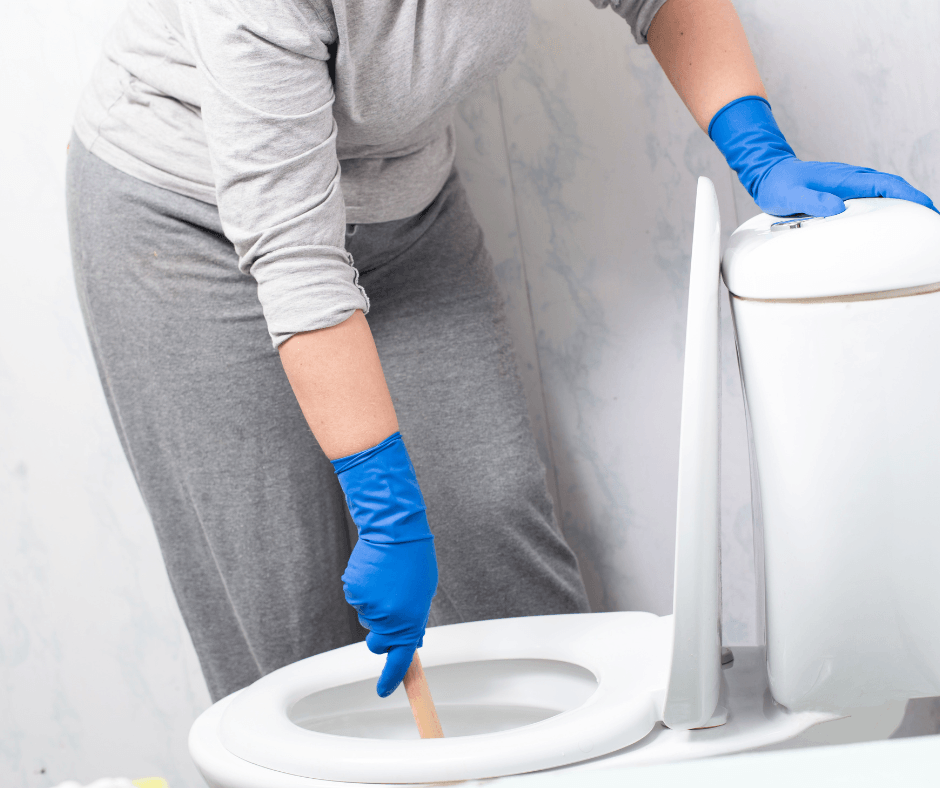
A clogged toilet is never fun—but before you panic, you might be able to fix it yourself with a few quick steps.
Step-by-step plunging guide:
1. Grab a flange plunger (the kind with a narrow extension at the bottom—perfect for toilets).
2. Make sure there’s enough water in the bowl to cover the plunger’s rubber cup.
3. Place the plunger firmly over the hole and create a seal.
4. Push down and pull up in a steady rhythm—do this for 15–20 seconds.
5. Flush carefully once the clog clears (if the water drains).
Call a professional if you notice:
• Water backing up into your tub or sinks
• Gurgling noises after flushing
• A toilet that clogs often, even with normal use
• Foul smells coming from your drains
These can be signs of a deeper issue in your sewer line—not something a plunger can fix.
Still having trouble? Doulos Plumbing is just a quick call away. Call or Text at: (208)544-4922 We help Twin Falls homeowners get back to normal fast, whether it’s a simple clog or a serious sewer backup.
Final Thoughts: Don’t Flush Money Down the Drain
Many toilet clogs—and expensive plumbing repairs—start with small habits. Flushing wipes, tossing grease down the drain, or ignoring warning signs might seem harmless in the moment, but over time, these choices can lead to serious damage to your pipes and Twin Falls’ sewer systems.
By being mindful of what goes down your toilet, you’re not just protecting your plumbing—you’re also helping the environment and saving money on future repairs.
If your toilet’s bubbling, backing up, or just acting off, Doulos Plumbing is just around the corner. We’re here to help Twin Falls homeowners stay clog-free, eco-conscious, and worry-free all year long.
Frequently Asked Questions About Toilet Clogs and Plumbing in Twin Falls
1. What are the top 3 things you should never flush?
The top three are “flushable” wipes, feminine hygiene products, and fats/oils/grease (F.O.G.). These items don’t break down like toilet paper and can clog your pipes or damage the city sewer system.
2. Why are “flushable” wipes bad for my toilet?
Even though they’re labeled “flushable,” these wipes don’t disintegrate easily. They collect in pipes, catch debris, and can cause costly blockages in your plumbing and the city’s wastewater system.
3. Can I flush tissues and paper towels in emergencies?
No. Tissues and paper towels are made to absorb—not break down in water. They can get stuck in pipes and lead to clogs. Always throw them in the trash instead.
4. What causes most toilet clogs in Twin Falls?
Common causes include non-flushable items, hard water buildup, and older clay or cast-iron sewer lines. Twin Falls’ mix of aging homes and mineral-rich water makes regular care even more important.
5. Does Twin Falls have any sewer line regulations for homeowners?
Yes. Homeowners are generally responsible for the sewer lateral (the pipe from your home to the city main). Regular maintenance can prevent backups that you’d be liable to fix.
6. How do I know if I need a plumber or just a plunger?
Try a plunger first. If the toilet backs up repeatedly, makes gurgling noises, or drains slowly, it’s time to call a pro. These signs point to deeper blockages in your system or sewer line.
7. Can Doulos Plumbing unclog my toilet the same day?
Yes! Doulos Plumbing offers same-day service for most clogs in the Twin Falls area. If it’s urgent, we’ll prioritize your call to keep your bathroom running smoothly.
8. What’s the best way to dispose of grease instead of flushing it?
Let it cool, pour it into a sealable container (like a used can or jar), and toss it in the trash. Never pour grease down your drain—it hardens and causes blockages.
9. How often should I have my drains inspected in Twin Falls?
Once a year is ideal—especially if your home is older or you’ve had clog issues before. Routine inspections catch problems early and help avoid emergencies.
10. Do Twin Falls homes have older plumbing that’s more clog-prone?
Many do. Homes built before the 1990s may have outdated piping that’s more vulnerable to clogs and root intrusion. Doulos Plumbing can help assess your setup and recommend smart upgrades.
This blog was created in partnership with LeadProspectingAI, supporting smarter local marketing for Twin Falls businesses.
Doulos Plumbing Team
Serving the Magic Valley with expert plumbing services. From water heaters to sewer lines, Doulos Plumbing is here to help Twin Falls and surrounding communities.