Demystifying Water Heaters: Efficiency Tips and Heater Types
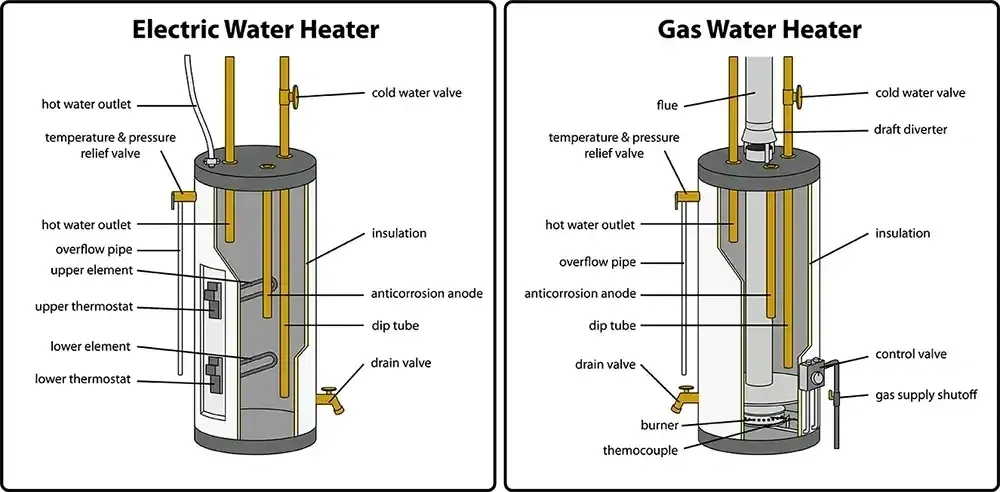
Discover how water heaters work, the redundancy of “hot water heater,” and tips for efficiency. Learn about tanked, gas, tankless, electric heaters, and boiler systems.
Introduction
Water heaters are the unsung heroes of our homes, quietly humming away as they provide the hot water we often take for granted. But how do these handy devices work? And why is calling them a “hot water heater” redundant? More importantly, how can you make sure they’re running at peak efficiency? Let’s dive into the nitty-gritty of water heaters and unravel the differences between tanked heaters, gas heaters, tankless heaters, electric heaters, and boiler systems.
How Water Heaters Work
At its core, a water heater is a device that heats water for domestic use. But calling it a “hot water heater” is like calling an ATM an “ATM machine”—the extra word isn’t needed. It’s simply a water heater because it heats water, which naturally becomes hot in the process.
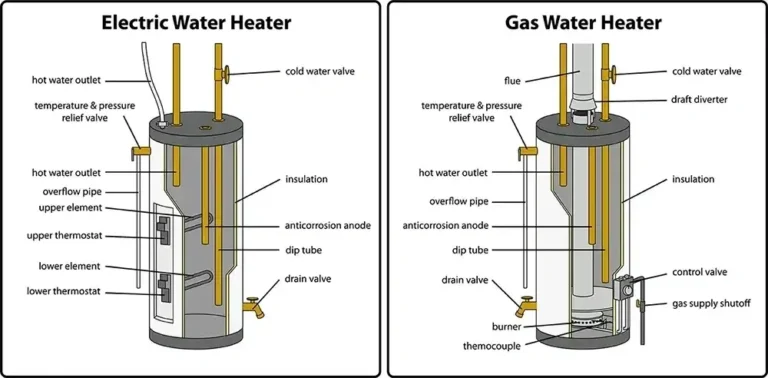
Water heaters operate on a simple principle: they heat cold water and store it until needed. A thermostat monitors the water temperature, ensuring it stays within a certain range. When you turn on the tap, hot water flows out, and cold water enters to replace it, keeping the cycle going.
Types of Water Heaters
Understanding the differences between various types of water heaters can help you choose the right one for your home and ensure optimal performance.
1. Tanked Heaters
- These are the most common water heaters found in homes. They consist of an insulated tank that stores a specific amount of heated water, typically ranging from 20 to 80 gallons. The water is heated using electricity or gas. When you turn on the hot water tap, the hot water at the top of the tank flows out, and cold water enters the bottom to be heated.
- Pros: Reliable and relatively low-cost to install.
- Cons: Limited hot water supply; once the tank is empty, you must wait for it to refill and reheat.
2. Gas Heaters
- Gas water heaters use natural gas or propane to heat water. They’re generally more energy-efficient than electric heaters, which can save money on utility bills in the long run.
- Pros: Quick recovery rate and lower energy costs.
- Cons: More expensive upfront and requires proper ventilation.
3. Tankless Heaters
- Also known as on-demand water heaters, these units heat water directly without storing it. When you turn on the hot water tap, cold water travels through a pipe into the unit, where it’s heated by a gas burner or electric element.
- Pros: Unlimited hot water supply and energy efficiency.
- Cons: Higher initial cost and may require upgrades to gas lines or electricity.
4. Electric Heaters
- Electric water heaters use electrical resistance elements to heat water. They’re generally easier to install and maintain than gas heaters.
- Pros: Low upfront costs and no need for gas lines.
- Cons: Higher operating costs due to electricity prices.
5. Boiler Systems
- Boilers are versatile units that heat water for use in radiators, underfloor heating, and hot water taps. They can run on gas, oil, or electricity.
- Pros: Efficient for heating large homes and providing consistent heat.
- Cons: Expensive to install and maintain.
Ensuring Efficiency
To make sure your water heater is running efficiently, regular maintenance is key. Here are some tips:
Insulate Your Tank
- Adding insulation can reduce standby heat loss by 25-45%.
Lower the Thermostat
- Set the temperature to 120°F to save energy without sacrificing comfort.
Flush the Tank
- Sediment buildup can reduce efficiency. Drain the tank annually to remove this buildup.
Fix Leaks Promptly
- Even a small leak can lead to significant water loss and increased utility bills.
FAQ Section
Q: How long should a water heater last?
A: Typically, well maintained tanked water heaters can last last 12-20 years
Q: Is it normal for a water heater to make noise?
A: Some noise is normal, but popping or rumbling sounds may indicate sediment buildup.
Q: Can I install a water heater myself?
A: While it’s possible, it’s best to hire a professional to ensure safety and compliance with local codes.
Q: What size water heater do I need?
A: This depends on your household size and hot water usage. A professional can help determine the best size for your needs.
Q: Are there eco-friendly water heater options?
A: Yes, solar water heaters and heat pump water heaters are environmentally friendly options that can reduce your carbon footprint.
Conclusion
Understanding how water heaters work and the differences between types can lead to better decisions for your home’s needs. By maintaining your water heater and considering factors like energy efficiency and household size, you can ensure a steady supply of hot water without breaking the bank. Whether you opt for a tanked heater, gas heater, tankless heater, electric heater, or boiler system, knowing the ins and outs will help keep your home warm and your energy bills low. So, next time you enjoy a hot shower, you’ll know exactly what’s going on behind the scenes!
D
Doulos Plumbing Team
Serving the Magic Valley with expert plumbing services. From water heaters to sewer lines, Doulos Plumbing is here to help Twin Falls and surrounding communities.